Choose Deck Staining Companies Near Me for Quality Craftsmanship
Guard and Improve Your Deck: Trusted Deck Staining Options You Can Rely On
When it comes to maintaining a deck, expert deck staining provide a reliable solution. These specialists comprehend the subtleties of different wood types and local climates, ensuring ideal aesthetics and protection. By opting for experienced experts, homeowners can prevent common pitfalls and conserve valuable time. However, choosing the right service can be daunting. Comprehending what to seek out is essential to attaining lasting results. The path to a beautifully stained deck starts here.
Reasons to Bring in Experienced Specialists for Your Deck Treatment
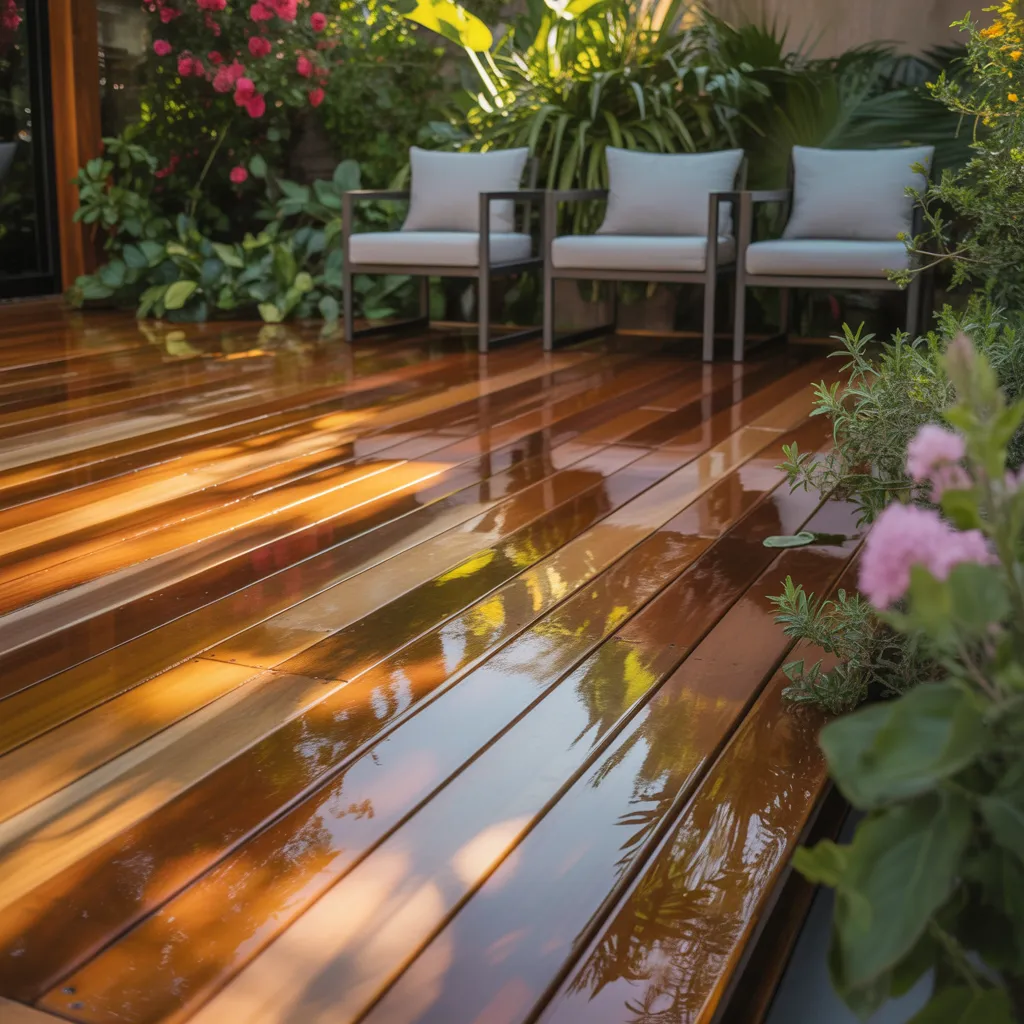
When assessing deck staining, homeowners often overlook the merits of hiring professionals. Partnering with experts guarantees a higher quality finish, because they possess the critical skills and experience to address various wood types and conditions. Professionals understand the intricacies of selecting the suitable stain, considering factors like wood porosity and local climate. In addition, they obtain cutting-edge tools and equipment that make the process more efficient and deliver results.
Moreover, skilled professionals can spare homeowners effort and time, letting them to turn their attention to other pressing tasks. They are also proficient in safety protocols, limiting the potential of damage during the staining process. By engaging professionals, homeowners can gain sustained results that enhance their deck's looks and lifespan. Ultimately, the investment in professional expertise can create a beautifully stained deck that not only is visually striking but also provides weatherproofing against the elements for years to come.
Circumvent These Ordinary Deck Staining Issues Before You Proceed
Many property owners make significant mistakes when it comes to deck staining, often leading to poor outcomes. One common mistake is ignoring adequate surface preparation. Failing to clean the deck thoroughly can trap dirt and debris, preventing the stain from adhering properly. Another mistake is choosing the incorrect type of stain; opting for an oil-based stain on a surface that requires a water-based product can result in peeling and uneven coverage. Additionally, staining under direct sunlight is unwise, as it can cause the stain to dry rapidly, leading to blotches. Many overlook the importance of applying multiple thin coats instead of a single thick one, which can weaken durability. Finally, not allowing adequate drying time between coats can lead to issues with finish integrity. By avoiding these pitfalls, homeowners can ensure a more successful and durable deck staining project.
Things to Know About Staining a Deck
When considering deck staining, homeowners can anticipate a thorough preparation process that involves surface cleaning to ensure ideal results. Following this, the staining process involves applying the chosen product evenly for a durable finish. Understanding these steps can help establish realistic expectations for the project.
Setup and Top Cleaning
Preparing a deck for treating involves a thorough cleaning process that confirms ideal adhesion and longevity of the stain. This preliminary stage typically includes clearing away dirt, debris, and previous coatings through mechanical washing or brushing. Professionals may use specialized cleaning solutions to destroy mildew, algae, and other contaminants that could interfere with the staining process. It's essential that the surface is dry before administering the stain to verify proper absorption. Additionally, any worn boards or unfastened nails should be addressed to avoid complications later. After cleaning, a final inspection is conducted to confirm that the surface is ready for staining, setting the stage for a successful application that enhances the deck's appearance and protection.
Dyeing Technique Guide
The deck staining process unfolds through a series of clearly established steps that guarantee a seamless and successful application. Initially, the expert crew examines the deck for any damage or areas needing repair. After verifying the surface is spotless and dry, they choose a premium stain appropriate to the wood type and desired finish. Application begins with edging, followed by brushing or spraying the stain evenly across the deck boards. Care is taken to avoid puddling and ensure uniform coverage. Once the first coat dries, a second coat may be applied for enhanced protection and color depth. Finally, the team offers guidance on drying times and upkeep, guaranteeing the deck remains beautiful and well-protected for years to come.
How to Find the Ideal Deck Staining Provider for Your Needs
Picking the best deck stain service can seem burdensome, especially given so many selections at hand. To arrive at a thoughtful decision, homeowners should kick off by researching local companies and perusing customer ratings. A reputable service will feature a gallery demonstrating their past work, allowing potential clients to gauge quality and style.
Then, it's important to inquire about the kinds of stains and sealants applied, as well as the methods of implementation employed. This guarantees that the chosen service aligns with the homeowner's preferences for durability and appearance. Additionally, getting multiple estimates can deliver insight into pricing and value.
Ultimately, consider the company's track record and if they offer warranties for their services. Choosing a service with a solid reputation and transparent communication will ultimately result in a more gratifying deck staining experience. By following these steps, homeowners can assuredly choose a service that fulfills their needs and enhances their outdoor space.
The Advantages of Choosing Superior Stains and Protective Finishes
Spending on high-quality stains and sealants can greatly enhance the lifespan and aesthetic of a deck. These superior products provide essential protection against moisture, UV rays, and temperature variations, which can lead to wood warping and decay with time. By forming a strong barrier, premium stains and sealants help to prevent mold and mildew growth, ensuring a fresher surface that is easier to maintain.
Also, premium stains often possess pigments that strengthen the wood's natural beauty, enriching colors and highlighting grain patterns. This not only elevates the visual appeal but also adds value to the property. High-quality products tend to supply better stickiness and longer-lasting results, curtailing the frequency of reapplication. Ultimately, choosing these quality choices can lead to noteworthy long-term economies in maintenance fees while maintaining the deck's structural integrity and aesthetic charm. Committing in quality is a prudent choice for any homeowner endeavoring to protect their outdoor space.
How Regularly Should You Apply Fresh Stain to Your Wood Deck?
How often should homeowners think about re-staining their decks? Generally, it is recommended to re-stain a deck every two to three years, though multiple factors can influence this timeline. The type of wood, climate conditions, and the quality of the stain used all play significant roles in determining the required frequency. In areas with harsh weather, such as intense sun or heavy rain, re-staining may be required more frequently to safeguard the wood from damage. Homeowners should also watch for signs of wear, such as fading color or water absorption, which show that the protective layer has diminished. Routine inspections can help in evaluating these conditions, ensuring that the deck remains in peak shape. Ultimately, being proactive about re-staining can prolong the life of the deck and preserve its visual beauty, making it a valuable investment for homeowners.
Suggestions for Maintaining Your Newly Stained Deck Looking Excellent
To guarantee a newly stained deck preserves its appearance and longevity, homeowners should adopt a few essential care practices. Regular cleaning is crucial; using a broom or blower to eliminate debris avoids mold and mildew buildup. A soft cleaning with soap and water can eliminate dirt without damaging the stain.
Homeowners should also refrain from strong chemical cleaners, as these can strip the coating. Instead, choosing a neutral cleaner will preserve the stained surface.
Furthermore, positioning mats at entry points minimizes moisture and dirt tracked onto the deck. This easy measure can significantly extend the life of the stain.
Conclusively, continuous monitoring for traces of deterioration or lightening enable prompt touch-ups, assuring the deck persists as energetic and well-maintained. By respecting these guidelines, homeowners can appreciate a stunning and resilient deck for years to come.
Often Asked Questions
What Duration Should You Expect for Composite Deck Staining Projects?
Deck staining commonly demands one to two relevant information days to complete, contingent upon the size of your deck and environmental factors. Sufficient prep work and drying periods are vital for achieving excellent outcomes and extended durability of the finish.
Should I Stain My Deck After It Rains?
It is not advisable to apply stain a deck immediately following rain. The deck should remain completely dry to ensure proper adhesion and absorption of the stain, typically needing 24 to 48 hours following rainfall.
What Groundwork Is Essential Before Applying Stain to My Deck?
Prior to applying stain to a deck, you should thoroughly clean it, making sure all dirt and debris are eliminated. Permit the surface to completely dry and check for damage or loose boards that may need repair.
Can you discover green staining options available?
Yes, various environmentally safe staining options exist, such as water-based stains and those crafted from natural oils. These products reduce toxic chemicals, thus making them safer for the environment while efficiently protecting and enhancing the deck's appearance.
Does Treating My Deck Eliminate Fungal Growth and Mildew?
Staining a deck can substantially minimize the peril of fungal decay by establishing a water-resistant shield against water damage. This barrier helps maintain the wood drought-resistant, discouraging the multiplication of unwanted fungi and guaranteeing prolonged lifespan.